
Multiphysics Designs Inspired by Nature
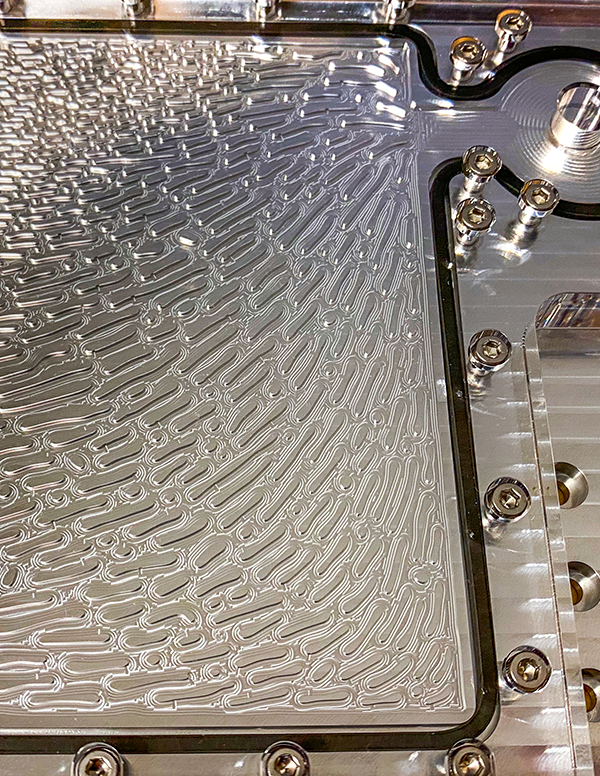
Nature has served as the blueprint for countless products and processes. For example, patterns found in naturally occurring systems, such as leaves, have inspired the design of microchannel plates for hydrogen-powered vehicles. In addition, moth wings have been studied for their acoustic camouflage abilities, which is useful in the development of ultrasonic acoustic absorbers. Learn more about these nature-inspired innovations and five others below.
7 Nature-Inspired Innovations
Microchannel Plates
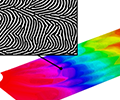
Toyota Research Institute of North America used simulation to develop a method for accelerating the R&D process for fuel cell flow field plates with a nature-inspired microchannel design.
Acoustic Camouflage
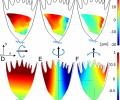
Researchers at the University of Bristol sought to model the unique scaled wings of certain moths to better understand their acoustic camouflage.
Antenna Metasurfaces
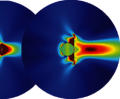
An optimization algorithm inspired by natural selection is used to determine the best design configuration for the metasurface of an optical antenna.
Solar Energy

Engineers from Polar Night Energy used multiphysics simulation to develop a system for warming up buildings with solar-generated heat stored in sand.
Ocean Acidification

A researcher at Utrecht University developed an innovative 3D model that shows how seashells help preserve calcite grains in seafloor sediments.
Robotic Manta Ray
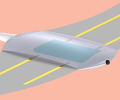
With modeling and simulation, soft robotics engineers can study the design of robotic manta rays to improve their biomimicry capabilities.
Rainwater Drainage

In a busy Copenhagen neighborhood, a simulation-driven design process was used to develop a sustainable drainage system that helps mitigate rainwater overflow and noise pollution.


