
Boeing Simulates Thermal Expansion on EMF Composites
J. Morgan, R. Greegor, P. Ackerman, Q. Le
Boeing, WA, USA
Carbon fiber composites are used extensively throughout the body of modern aircraft, such as the Boeing 787 Dreamliner, because of their exceptional strength and light weight. Expanded metal foil (EMF) is added to the composite structure layup as a protective measure to dissipate the extreme heat and current generated by a lightning strike. Engineers at Boeing Research and Technology (BR&T) are using multiphysics simulation and physical measurements to ensure that protective coatings on the EMF remain intact when subjected to thermal stress arising from the ground-to-air flight cycle. The impact of the EMF design parameters on stress buildup and displacement in each layer of the composite structure layup was evaluated in COMSOL Multiphysics®. Experiments correlated well with simulation results, which confirmed that designs characterized by lower displacements also have a reduced likelihood of crack formation.
Suggested Stories

Ein 3D-Modell unterstützt Wissenschaftler bei der Vorhersage des thermischen Verhaltens des Mondes
Forscher des Physical Research Laboratory haben ein einzigartiges thermophysikalisches Modell entwickelt, um das ...
Simulation Applications Help Shape the Design of Car Audio Systems
Audio entertainment systems for luxury cars must provide end users with the highest quality of in-car listening ...
How Fast Do Elevated Temperatures Reach the Cell Interior?
Lithium-ion batteries, which have a tendency to degrade at high temperatures, must adhere to stringent regulations ...
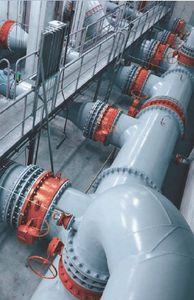
Fine Tuning for Water Purification
Amsterdam Water Supply (AWS) of the Netherlands produces some of the cleanest drinking water in the world using an ...


