
Peter Ciesielski, NREL, CO, USA
Pyrolysis is a pre-commercial thermochemical process that converts renewable, plant-based materials such as wood into liquid biofuels. To make pyrolysis a cost-effective method for biofuel conversion, researchers at the National Renewable Energy Laboratory (NREL) are using multiphysics simulation to better understand and optimize the process. Thus far, they have used COMSOL Multiphysics® to develop a computational model of the heat and mass transfer processes associated with pyrolysis, featuring the most accurate representation of biomass particle geometry to date. Ongoing development of the process involves adding chemical reactions and phase change to create a complete model of pyrolysis that can be used to improve the performance of large-scale reactors – an essential step in making the mass production of biofuels more efficient.
Suggested Stories
Investigating Vibroacoustic Properties in Moth Wings for Acoustic Camouflage
Researchers at the University of Bristol modeled the acoustic camouflaging properties of moth wing scales to gain a ...
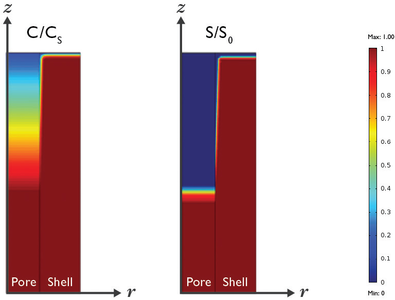
Simulating the Release Mechanism in Drug-Eluting Stents
Stent insertion through the coronary artery is a common procedure used to treat restricted blood flow to the heart ...
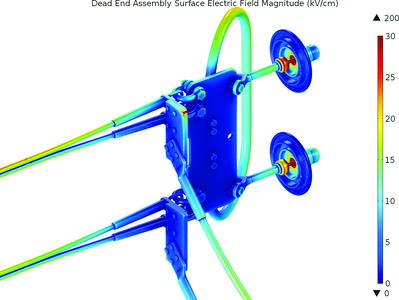
Enhancing Transmission Line Performance: Using Simulation to Optimize Design
Designing power transmission lines requires accounting for many factors: mechanical stress due to environmental ...
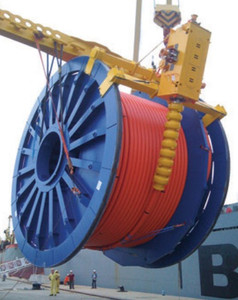
Analysis of Subsea Umbilicals and Cables
JDR Cables designs-to-spec and manufactures subsea umbilical systems of cables and reelers for the oil and gas and ...


