
Shuya Yoshioka
Ritsumeikan University
Shiga, Japan
Human activity steals oxygen from natural water sources such as lakes and this oxygen-deficient water often contains high levels of toxic substances such as metals and organic material. Thus the number of lakes that can be used as a source of water is reduced, straining the available resources and creating a need for water-treatment plants of water which can have negative impacts when powered using fossil fuels.
Treating this oxygen-deficient water can be done by injecting oxygen microbubbles into the water to oxidize the metals and cause them to precipitate and stimulate the activity of mircro-organisms that breach down organic material. In testing the volume of microbubbles needed and the appropriate size of those bubbles, a team at Ritsumeikan University in Japan used COMSOL Multiphysics to predict all environmental phenomena having an impact on the body of water (wind, water flow, temperature, chemical reactions, and diffusion).
The team was able to test optimal depth and location for the introduction of the microbubbles in the Sounoseki Dam and is now using COMSOL Multiphysics to apply this process in other locations.
Suggested Stories
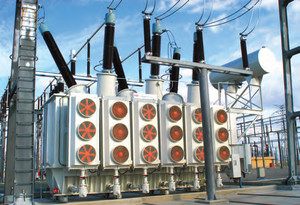
Upgrading the Nuts and Bolts of the Electrical Grid for a New Generation
Migrating the electrical grid to a “smart grid” is usually discussed in terms of IT issues or embedded systems. Yet, ...
Designing Next-Generation CO2 Removal Technology for Better Life in Space
NASA combines thermal modeling and experimental testing to find the best compressor design for the system that keeps ...
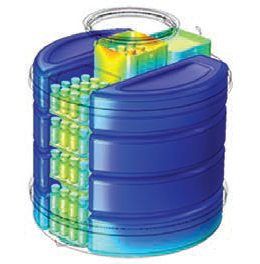
Innovative Thermal Insulation Techniques Bring Vaccines to the Developing World
When medical professionals transport vaccines, their cargo needs to be kept at a cool temperature. This limits their ...
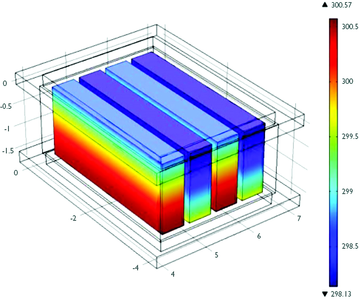
Simulation Helps Improve Atmosphere Revitalization Systems for Manned Spacecraft
To ensure astronaut safety on space missions, it is necessary to routinely revitalize the atmosphere in manned ...


