
Daimler Simulates Corrosion Protection in Automotive Paneling
Daniel Höche, HZG, Germany; Nils Bösch, Daimler AG, Germany
Galvanic corrosion, which occurs when the surfaces of different adjoining metals begin to degrade, costs the automotive industry billions of dollars annually. The reactions of these different metal combinations is influenced by material properties, surface roughness, and joining techniques in the components.
Researchers at Helmholtz-Zeentrum Geesthacht (HZG) and Daimler AG created COMSOL Multiphysics applications to study corrosion in automotive parts found in car paneling. Simulation helped researchers investigate electrochemical reactions on the surface of the rivet, analyze decay in sheet metal, and understand the effects of geometry on the corrosion process. They also modeled delamination of the steel sheet and assessed the growth of a crevice between the metal layers and a cathodic coating as the zinc plating was consumed. With the understanding they gained of the electrochemical behavior, they were able to provide engineers at HZG and Daimler AG with key information to improve corrosion protection in automotive parts.
Suggested Stories
Simulations-Apps treiben die Produktentwicklung in der Automobilindustrie voran
Mahindra & Mahindra Limited (M&M) beschleunigt seinen Produktentwicklungszyklus für Automobilkomponenten und ...
Keynote: Electroacoustics and FEA: A Long and Successful Relationship
In the world of electroacoustics, finite element analysis (FEA) has been in use for decades. The COMSOL ...
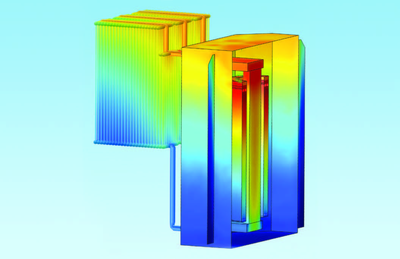
Simulation Enables the Next Generation of Power Transformers and Shunt Reactors
From power generation to its distribution to end users, power transformers and shunt reactors are used throughout the ...
Accelerating Custom Capacitor Design with Simulation Apps
When a component is as ubiquitous as a capacitor, its design process needs to allow for a lot of customization. This ...


