
Ashish Lele, National Chemical Laboratory, India
Inefficient and potentially harmful diesel generators are still the prevailing method of decentralized power generation for telecommunications in urban and rural India. Researchers at the National Chemical Laboratory are investigating proton exchange membrane (PEM) fuel cells, which are strong candidates for this industry because of their cleanliness, compatibility, and efficiency exceeding 30% (with work underway to further increase this value). Using multiphysics modeling and simulation, the researchers are working to determine an optimal configuration of fuel cell properties that yields maximum efficiency and performance.
Suggested Stories
Making Biofuel a Cost-Effective, Renewable Source of Energy
Pyrolysis is a pre-commercial thermochemical process that converts renewable, plant-based materials such as wood into ...
How Fast Do Elevated Temperatures Reach the Cell Interior?
Lithium-ion batteries, which have a tendency to degrade at high temperatures, must adhere to stringent regulations ...
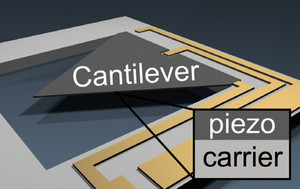
Modeling Optimizes a Piezoelectric Energy Harvester Used in Car Tires
Siemens is a technology company working with electronics and electrical engineering in industry, energy, and ...
Magnetic Transmissions Increase Lifespan of Offshore Wind Farms
Sintex is a developer and manufacturer of magnetic couplings, systems that transmit torque and power with ...


