
S. Lei, R. Enright, R. Frizzell, D. Hernon
Bell Labs, Ireland
The information and communication technology industry needs new energy-efficient devices that can keep up with the explosive growth in data traffic of the last few years. Bell Labs, the research arm of Alcatel-Lucent, is taking the lead in an initiative to reduce the carbon footprint of high-speed communication devices and platforms by investing in new methods for cooling electronics and harvesting energy. The team at Bell Labs used COMSOL Multiphysics to simulate the optical, thermal, and electrical performance of laser systems with integrated microthermoelectric coolers; they used their results to optimize designs of photonic devices and take advantage of the thermoelectric effect. They also simulated the structural, magnetic, and electrical behavior of electromechanical systems to investigate the best design for converting mechanical vibrations into electricity, which will reduce the need for frequent battery replacements for wireless sensors. With their continued research into these topics and the power of simulation, many new technologies for improving energy efficiency are on the horizon.
Suggested Stories
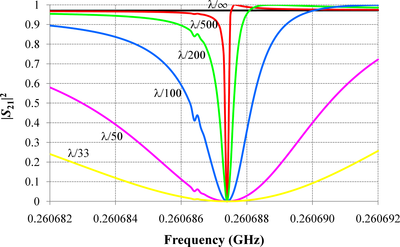
A 100-Fold Improvement in Lithography Resolution Realized with a 150-Year-Old “Perfect Imaging” System
The idea of "perfect imaging", that is a resolution less than the wavelength of light producing the image, was first ...
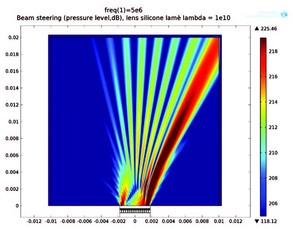
Optimizing Ultrasound Piezo-disk Transducers
Esaote S.p.A. produces medical diagnostic systems, including the manufacturing and sales of ultrasound imaging ...
From Spreadsheets to Multiphysics Applications, ABB Continues to Power Up the Transformer Industry
The buzzing sound you sometimes hear when walking past high-voltage transmission lines is caused by transformers used ...
Neu auf dem Lehrplan der pharmazeutischen Wissenschaften: Quantitative Systems Pharmacology
Die FDA ermutigt pharmazeutische Unternehmen, Simulationen in ihre Produktentwicklungszyklen einzubeziehen, so dass ...


